
- Home
- About Us
- Connect
- Patient Resources
- Anesthesia / Sedation / Pain
- Patient Instructions/After Care
- Patient Intake Forms
- Patient Consent Forms
- Office Policies
- Insurance Plans
- Financial Policies
- Privacy Policy
- Online Privacy Policy
- Mobile Message Terms
- Statement of Nondiscrimination
- Open Payments Database Notice
- Accessibility Statement
- Pet/Service Animal Policy
- Health Advisory
- Medical Dermatology
- Mohs/Reconstructive Surgery
- Facial Aesthetics
- Facial Aging 101
- Concerns
- Non Surgical
- Surgical
- Hair Loss
- Cosmetic Mole Removal
- Body Aesthetics
- Varicose Veins
- Scars
- Skin Care
- Wound Care
Rosacea
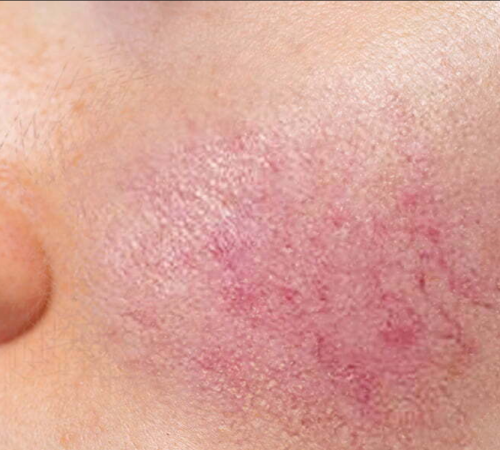
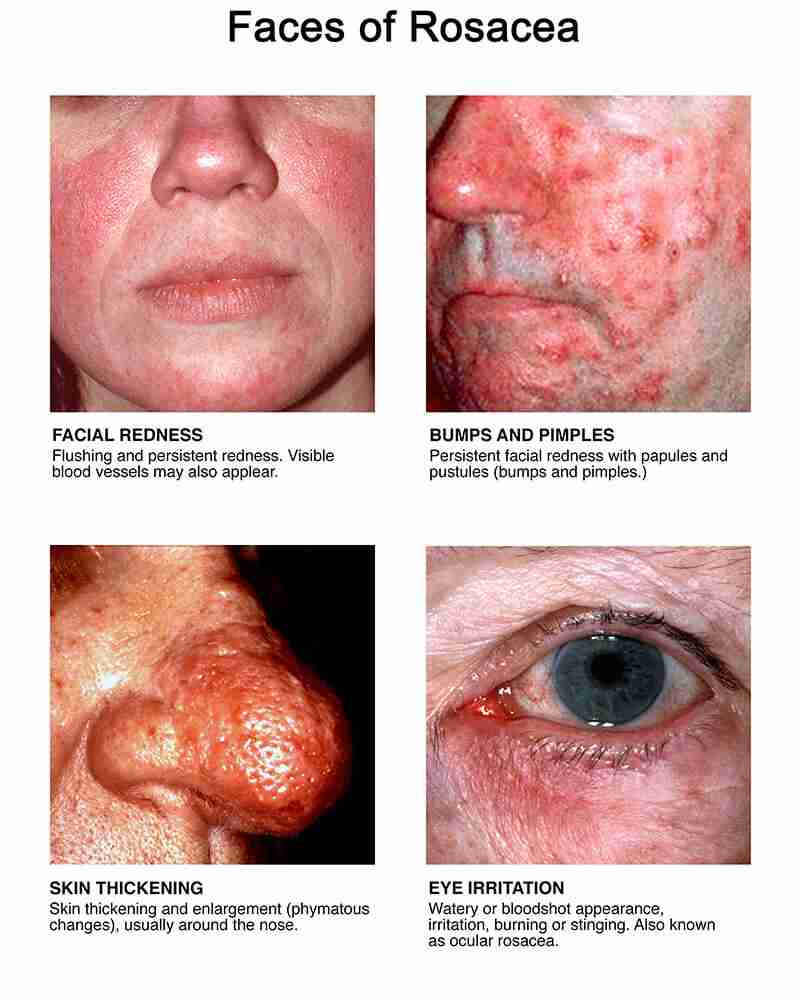
Rosacea is a chronic skin condition that causes redness, visible blood vessels, and sometimes small, acne-like bumps on the face. It most commonly affects the central part of the face, including the cheeks, nose, chin, and forehead. The exact cause of rosacea is not fully understood, but it is believed to involve a combination of genetic and environmental factors, including an overactive immune system and an inflammatory response. Common triggers for rosacea flare-ups include sun exposure, stress, hot or cold weather, spicy foods, alcohol, and certain skincare products. While rosacea is not curable, it can be managed with treatments such as topical medications, oral antibiotics, laser therapy.
Rosacea Treatments
1 – Topical Medications
Topical treatments are commonly prescribed to manage rosacea. The most common topical medication is metronidazole, which helps reduce inflammation and redness. Other topical treatments include azelaic acid, ivermectin, and sulfur creams, which can also help reduce redness, inflammation, and acne-like bumps associated with rosacea. These treatments are usually applied directly to the affected areas once or twice a day and can help control flare-ups over time.
2 – Oral Medications
For moderate to severe rosacea, oral antibiotics such as doxycycline or minocycline may be prescribed. These antibiotics help reduce inflammation and bacterial growth, and they can be particularly effective in treating the papules and pustules (red bumps and pimples) associated with rosacea. For more severe cases, oral isotretinoin may be considered, although it is typically used only when other treatments have failed.
3 – Laser and Light Therapy
Laser therapy and intense pulsed light (IPL) treatments are effective options for reducing redness and visible blood vessels (telangiectasia) associated with rosacea. These treatments work by targeting blood vessels under the skin, causing them to shrink. Pulsed dye lasers, KTP (532-nm) and Nd:YAG lasers are commonly used and can help improve the overall appearance of the skin by reducing redness and flushing. These procedures are typically performed by a dermatologist and may require multiple sessions.