
- Home
- About Us
- Connect
- Patient Resources
- Anesthesia / Sedation / Pain
- Patient Instructions/After Care
- Patient Intake Forms
- Patient Consent Forms
- Office Policies
- Insurance Plans
- Financial Policies
- Privacy Policy
- Online Privacy Policy
- Mobile Message Terms
- Statement of Nondiscrimination
- Open Payments Database Notice
- Accessibility Statement
- Pet/Service Animal Policy
- Health Advisory
- Medical Dermatology
- Mohs/Reconstructive Surgery
- Facial Aesthetics
- Facial Aging 101
- Concerns
- Non Surgical
- Surgical
- Hair Loss
- Cosmetic Mole Removal
- Body Aesthetics
- Varicose Veins
- Scars
- Skin Care
- Wound Care
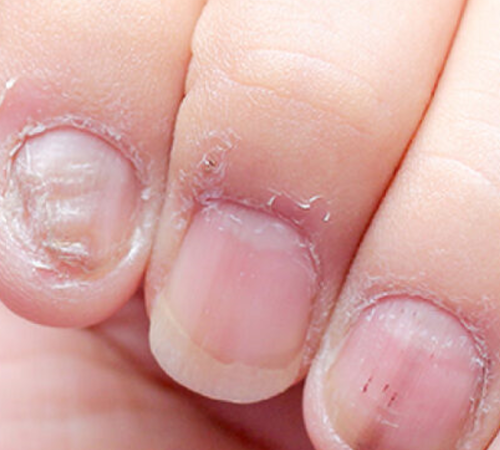
Skin Fungus
Skin fungal infections are quite common and can be caused by a variety of fungi. These infections can range from mild to severe and are often contagious. The fungi involved typically thrive in warm, damp, or moist environments. People with weakened immune systems, poor hygiene, or those who sweat excessively are more prone to developing body fungal infections.
There are two primary types of fungi that cause skin infections- either dermatophytes (such as Tinea) or yeasts (such as Candida). Both types of fungi can cause a range of skin issues, but they differ in their nature and the way they affect the skin.
Common Dermatophyte Infections

Tinea corporis (Ringworm):
Symptoms: Round, red, scaly patches with a clear center that resemble a ring. Often itchy.
Tinea pedis (Athlete’s Foot):
Symptoms: Itchy, red, cracked skin between the toes or on the soles of the feet, sometimes with blisters.
Tinea cruris (Jock Itch):
Symptoms: Itchy, red rash in the groin area, inner thighs, or buttocks.
Tinea capitis (Scalp Ringworm):
Symptoms: Itchy, scaly patches on the scalp with hair loss.
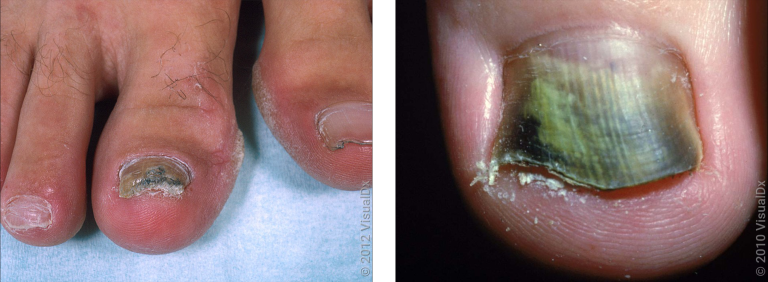
Tinea unguium (Onychomycosis):
Symptoms: Thickened, discolored nails that may crumble or separate from the nail bed.
Candida Skin Infections

Fungus Treatments
1 – Topical Antifungal Treatments
Topical antifungal creams, lotions, or powders are often the first line of treatment for body fungus. These over-the-counter products, such as clotrimazole, miconazole, or terbinafine, work by targeting the fungus and preventing it from spreading. They are typically applied directly to the affected area and are effective for mild to moderate fungal infections. Treatment usually lasts for 2-4 weeks, even if symptoms improve earlier, to ensure the infection is fully eradicated.
2 – Oral Antifungal Medications
For more severe or widespread fungal infections that don’t respond to topical treatments, oral antifungal medications may be prescribed. Common options include terbinafine, fluconazole, or itraconazole. These medications work systemically to treat the infection from the inside out. Oral antifungals are often used for persistent infections or when the fungus affects larger areas of the body or areas difficult to treat with topical creams, like the scalp or nails.
3 – Antifungal Shampoos
For fungal infections of the scalp, antifungal shampoos containing ketoconazole or selenium sulfide may be used to control the infection. These shampoos help reduce fungal growth on the scalp and should be used according to the directions, often applied several times a week to treat the infection effectively.
4 – Proper Hygiene and Skin Care
Maintaining good hygiene is an essential part of treating and preventing body fungus. Keeping the skin clean and dry is crucial, as fungi thrive in warm, moist environments. Washing the affected areas with soap and water, drying them thoroughly, and wearing loose-fitting clothes made from breathable fabrics can help prevent the infection from worsening or spreading. It’s also important to avoid sharing personal items, such as towels or clothing, to reduce the risk of contagion.
5 – Wet Dressing or Soaks
For more severe fungal infections, wet dressings or medicated soaks may be recommended to soothe the skin and help the antifungal treatments work more effectively. Soaking the affected area in a solution like diluted vinegar or potassium permanganate can help relieve itching and irritation while also helping to kill the fungus.