
- Home
- About Us
- Connect
- Patient Resources
- Anesthesia / Sedation / Pain
- Patient Instructions/After Care
- Patient Intake Forms
- Patient Consent Forms
- Office Policies
- Insurance Plans
- Financial Policies
- Privacy Policy
- Online Privacy Policy
- Mobile Message Terms
- Statement of Nondiscrimination
- Open Payments Database Notice
- Accessibility Statement
- Pet/Service Animal Policy
- Health Advisory
- Medical Dermatology
- Mohs/Reconstructive Surgery
- Facial Aesthetics
- Facial Aging 101
- Concerns
- Non Surgical
- Surgical
- Hair Loss
- Cosmetic Mole Removal
- Body Aesthetics
- Varicose Veins
- Scars
- Skin Care
- Wound Care

Cysts/Lipomas
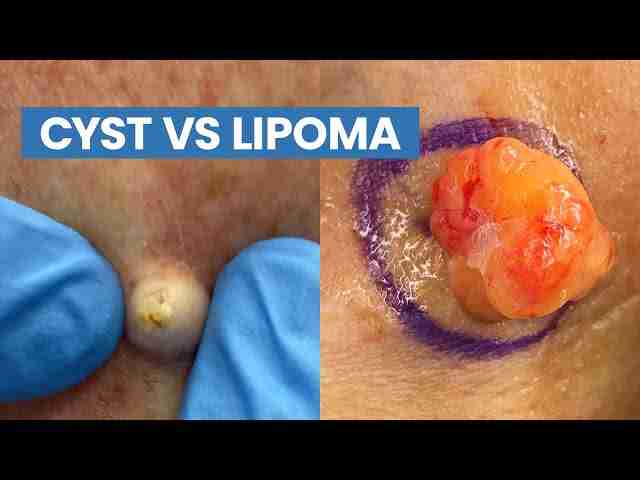
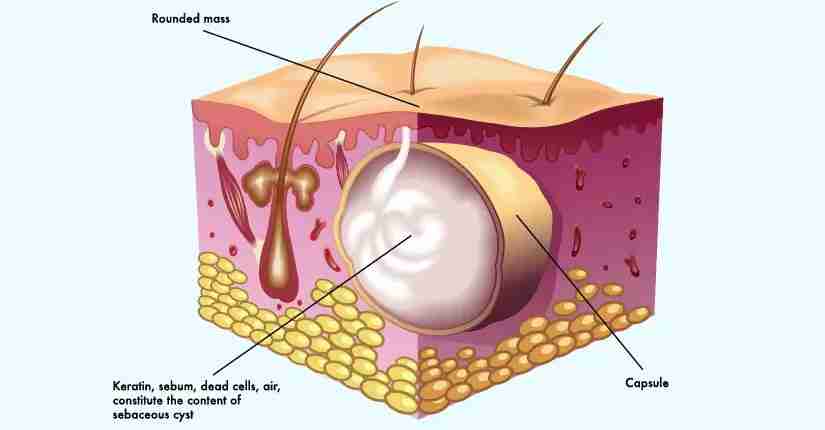
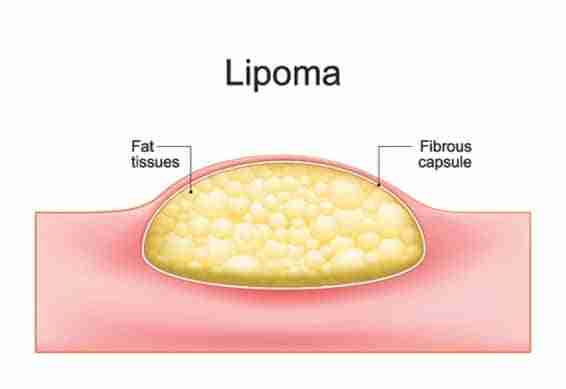
Cysts and lipomas are both common, non-cancerous growths that can develop under the skin. A cyst is a sac-like structure filled with fluid, air, or semi-solid material, often resulting from blocked glands or hair follicles. They can appear anywhere on the body and are typically slow-growing and painless, though they may become inflamed or infected. On the other hand, a lipoma is a soft, fatty lump that grows slowly beneath the skin. Lipomas are typically harmless and are often movable and painless to the touch. While cysts can be caused by factors like infection, injury, or clogged pores
Cysts/Lipomas Treatments
1 – Cyst Treatments: Warm Compresses
For small, non-infected cysts, warm compresses can be an effective treatment. Applying a warm, moist cloth to the affected area several times a day helps reduce swelling, encourages drainage, and can alleviate discomfort. This method is often used as a first step for cysts that are not causing significant pain or infection.
2 – Cyst Treatments: Antibiotics
If a cyst becomes infected and inflamed, antibiotics may be prescribed to treat the infection. This helps reduce swelling, redness, and discomfort, and ensures that the infection doesn’t spread. Oral antibiotics are typically used if the infection is significant, while topical antibiotics may be applied for more localized infections.
3 – Cyst Treatments: Corticosteroid Injections
In some cases, corticosteroid injections may be used to reduce inflammation and swelling around the cyst. This treatment can be particularly helpful for cysts that are painful or inflamed but are not yet infected. Corticosteroids work by calming the immune response and reducing swelling, which can make the cyst less noticeable and more comfortable.
4 – Cyst Treatments: Surgical Removal
For cysts that are large, persistent, or bothersome, surgical removal is the most definitive treatment. This procedure involves excising the entire cyst and its sac to ensure it does not return. The procedure is performed under local anesthesia, and stitches are usually required for closure. Surgical removal is typically recommended for cysts that cause discomfort, infection, or cosmetic concerns.
5 – Cyst Treatments: Monitoring
Cyst treatment often involves monitoring, especially for smaller or asymptomatic cysts that may not require immediate intervention. Regular monitoring helps track the cyst’s size, changes, or potential complications. Healthcare providers may recommend periodic imaging, such as ultrasounds or MRIs, to observe cyst growth or any signs of infection.
6 – Lipoma Treatments: Surgical Removal
The primary treatment for a lipoma is surgical removal. During this procedure, a healthcare provider removes the fatty tissue growth under local anesthesia. The lipoma is excised through a small incision, and the area is sutured. This method ensures the complete removal of the lipoma and prevents it from returning.
7 – Lipoma Treatments: Monitoring
If a lipoma is not causing pain, growing rapidly, or affecting appearance, monitoring the lipoma may be sufficient. Regular check-ups with a healthcare provider can help ensure that the lipoma is not changing in size or causing any new symptoms. This approach is often suitable for lipomas that are small and asymptomatic.