

Overview:
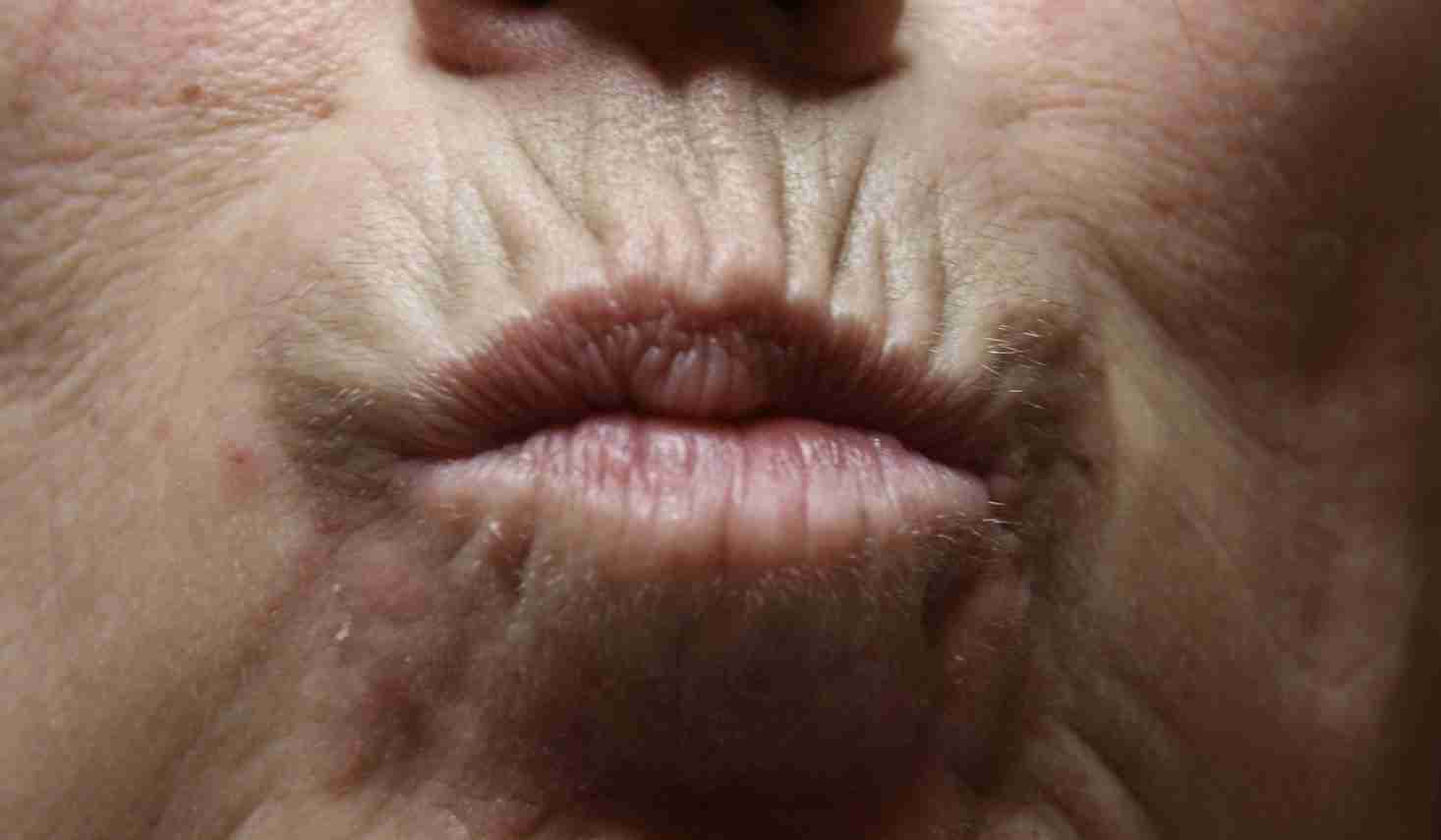
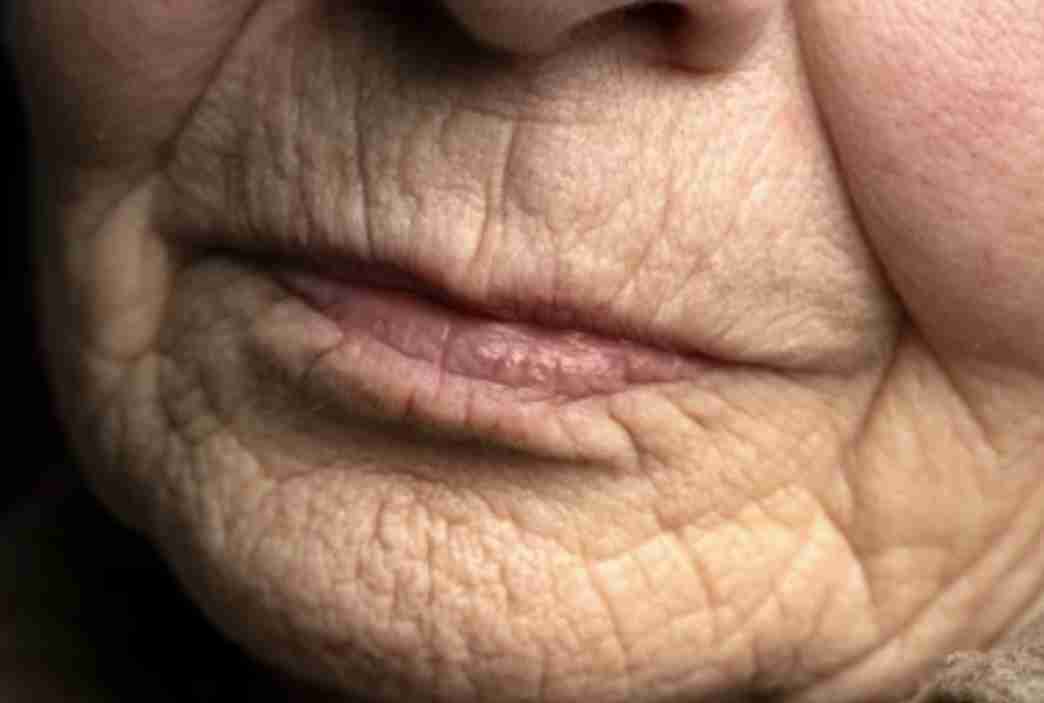
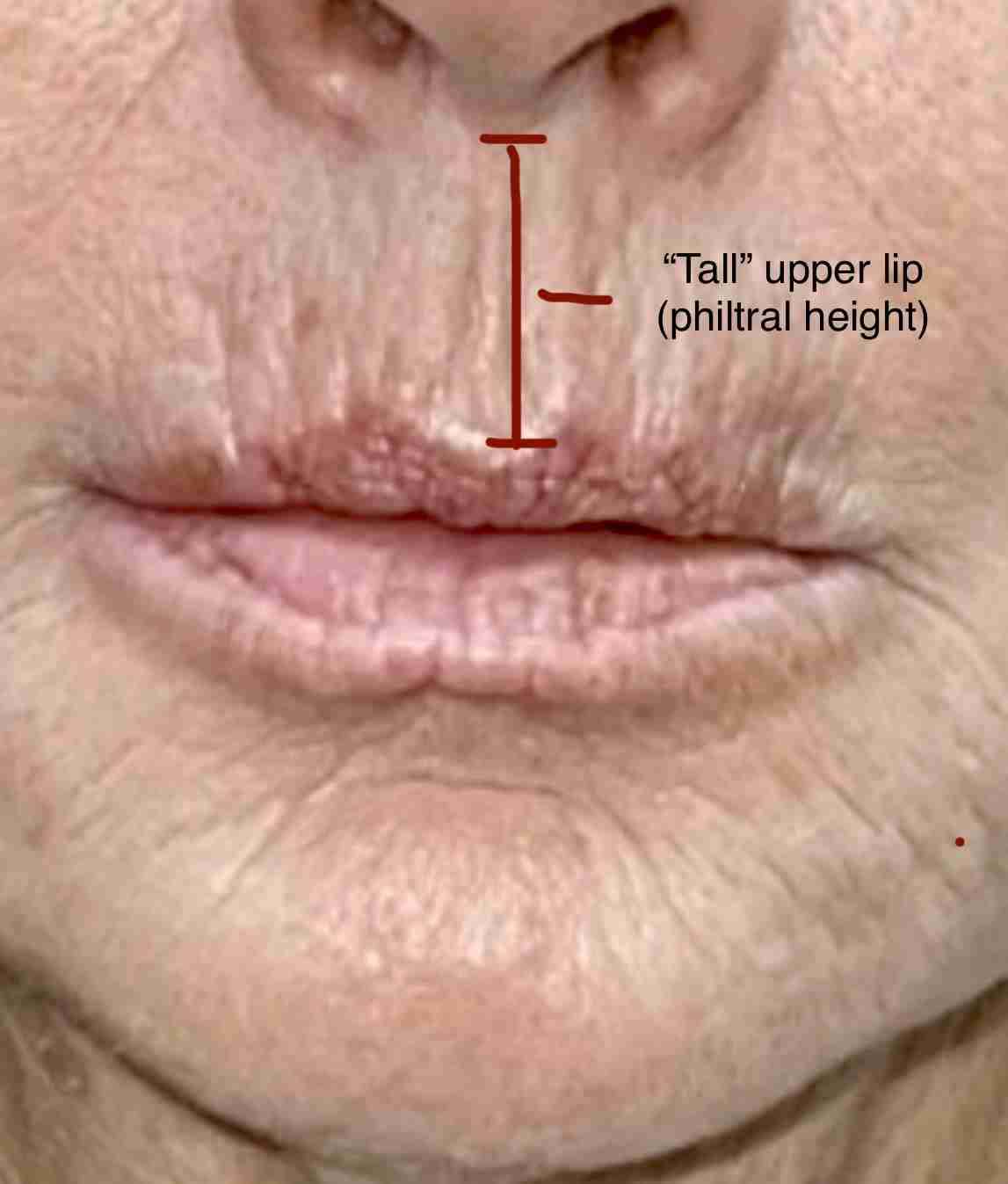
Lip/perioral wrinkles, commonly known as perioral wrinkles, are lines that form around the mouth due to age, lifestyle habits, and repetitive facial movements. These wrinkles tend to be more noticeable as we age because the skin around the mouth is thinner and more susceptible to damage. Factors like smoking, sun exposure, and frequent muscle movements associated with smiling, talking, or eating can accelerate their development. Although harmless, these lines can be a cosmetic concern for many, leading people to seek various treatments to reduce or eliminate their appearance.
Are You a Candidate?
You may be a candidate for lip/perioral wrinkle treatments if you’re bothered by the appearance of lines around your mouth and seek to reduce their visibility. Individuals of any age can develop these wrinkles, but they tend to be more noticeable in those over 40, or in those with significant lifestyle factors like smoking or sun exposure. Non-smokers or younger individuals with genetic predispositions to skin aging may also benefit from these treatments to prevent deepening lines. A consultation with a specialist is necessary to determine if you’re a good fit for specific treatments based on your skin type, medical history, and aesthetic goals.
Options: Surgical vs Non-Surgical
There are both surgical and non-surgical options for treating perioral wrinkles.
Non-Surgical Treatments:
These include dermal fillers (like Juvederm and Restylane), Botox or Dysport injections, microneedling, laser treatments (Fraxel, CO2 laser), chemical peels, and platelet-rich plasma (PRP) therapy. These treatments offer less invasive options with minimal downtime and can be performed in-office, yielding relatively quick results. Non-surgical methods are popular due to their safety, ease, and effectiveness.
Surgical Treatments:
While less common, some patients may opt for surgical options, such as a facelift/lip lift surgery or regenerative nanofat grafting. Surgical procedures are typically recommended for those with more severe cases of aging around the mouth or those seeking longer-lasting results. However, these options come with longer recovery times, increased risks, and more significant costs.
Exceptions for Treatment:
Certain individuals may not be suitable candidates for treatments like Botox, dermal fillers, or laser therapies. If you have an active skin infection, severe allergies, or certain medical conditions (such as autoimmune disorders), you may need to avoid these treatments. Pregnant or breastfeeding women should also refrain from cosmetic procedures due to potential risks to the baby. A thorough medical evaluation by a trained specialist will help determine if you’re eligible for treatment.
Expected Downtime:
Non-surgical treatments generally require minimal downtime. Procedures like Botox or dermal fillers might involve minor swelling or bruising around the treated areas, but this usually resolves within a few days. Microneedling or laser treatments may cause some redness and swelling that could last a few days. Chemical peels typically require 5-7 days of recovery, depending on the intensity of the peel. PRP therapy also involves minimal downtime with possible mild redness or swelling. On the other hand, surgical options typically require longer recovery times, which can range from one to several weeks depending on the procedure.
Risks:
As with any cosmetic treatment, there are risks involved. Non-surgical treatments can lead to side effects such as bruising, swelling, redness, or in rare cases, infection. Botox or fillers may result in temporary asymmetry or an unnatural appearance if not properly administered. Laser treatments and microneedling can also cause skin irritation, pigmentation changes, or scarring if not performed correctly. Surgical options carry risks of complications such as infection, scarring, or anesthesia-related issues. It’s essential to consult with an experienced professional to understand the potential risks based on your specific treatment plan.
Financial Cost:
The cost of lip/perioral wrinkle treatments varies depending on the type of procedure, the provider, and your geographical location. Non-surgical options, like Botox or dermal fillers, can range from $300 to $1,500 per session. Laser treatments and microneedling may cost between $500 to $2,000 per session, depending on the extent of the treatment. Chemical peels generally range from $100 to $800, while PRP therapy can cost $500 to $1,500 per session. Surgical options, such as lip lifts or facelifts, can range from $3,000 to $10,000 or more, depending on the complexity of the surgery and the surgeon’s fees.
Next Steps:
If you’re considering treatment for lip/perioral wrinkles, the next step is to schedule a consultation with a licensed and experienced practitioner. During the consultation, the provider will assess your skin condition, discuss your aesthetic goals, and recommend the most suitable treatment options. From there, you can decide on the procedure that best fits your needs, timeline, and budget. At Integrated Skin Institute, we specialize in personalized care to ensure you receive the best treatment for smooth, youthful-looking skin.