
- Home
- About Us
- Connect
- Patient Resources
- Anesthesia / Sedation / Pain
- Patient Instructions/After Care
- Patient Intake Forms
- Patient Consent Forms
- Office Policies
- Insurance Plans
- Financial Policies
- Privacy Policy
- Online Privacy Policy
- Mobile Message Terms
- Statement of Nondiscrimination
- Open Payments Database Notice
- Accessibility Statement
- Pet/Service Animal Policy
- Health Advisory
- Medical Dermatology
- Mohs/Reconstructive Surgery
- Facial Aesthetics
- Facial Aging 101
- Concerns
- Non Surgical
- Surgical
- Hair Loss
- Cosmetic Mole Removal
- Body Aesthetics
- Varicose Veins
- Scars
- Skin Care
- Wound Care
Psoriasis
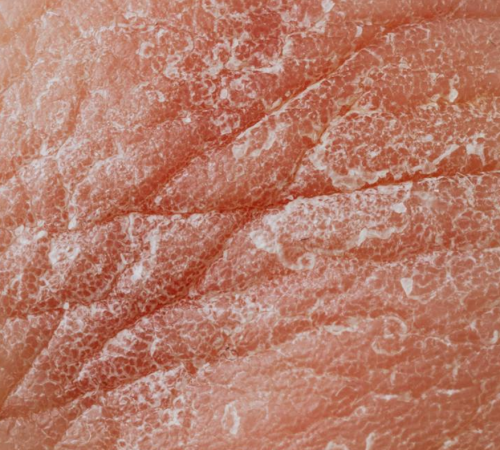
Psoriasis is a chronic autoimmune condition that causes rapid skin cell turnover, leading to the buildup of thick, scaly patches on the skin’s surface. These patches, often red or silver in color, can appear anywhere on the body, but are most commonly found on the scalp, elbows, knees, and lower back. Psoriasis occurs when the immune system mistakenly attacks healthy skin cells, speeding up their growth cycle. As a result, the skin cells accumulate and form visible lesions. While the exact cause of psoriasis is unknown, it is believed to be influenced by a combination of genetic and environmental factors.

Psoriasis Treatments
1 –Topical Medications
Topical steroids
Topical steroids are commonly used in the treatment of psoriasis, particularly for managing flare-ups and controlling inflammation. These corticosteroid creams or ointments work by reducing the immune system’s overactive response that triggers the rapid skin cell turnover seen in psoriasis. By applying topical steroids directly to affected areas, they help decrease redness, swelling, and scaling.
Calcipotriene (Vitamin D Analog)
Calcipotriene is a synthetic form of vitamin D. It helps to slow down the growth of skin cells, which is a key issue in psoriasis. It is often used for mild to moderate psoriasis and is effective in reducing plaques and scaling.
Coal Tar
Coal Tar (e.g., T-Gel or Tarsum) has been used for many years to treat psoriasis. It helps to reduce scaling, itching, and inflammation. Coal tar works by slowing down the rapid skin cell turnover that characterizes psoriasis. It can be messy and has a strong odor, but it’s effective for many individuals.
Calcineurin Inhibitors
Tacrolimus (brand name Protopic) and Pimecrolimus (brand name Elidel) are topical immunosuppressants that work by modulating the immune response. They are typically used in areas like the face or skin folds where steroids might not be recommended. These medications help reduce inflammation and are generally considered safe for long-term use.
2- UVB Phototherapy
Phototherapy involves exposing the skin to ultraviolet (UV) light under controlled conditions. UVB phototherapy, where the skin is exposed to ultraviolet B light, can help slow down the overproduction of skin cells. Phototherapy is typically administered in a dermatologist’s office and may require multiple sessions for best results.
3 – Oral Medications
For moderate to severe psoriasis, oral medications may be prescribed. These include systemic treatments like methotrexate, cyclosporine, apremilast, and acitretin, which work by suppressing the immune system and slowing down skin cell turnover. Oral biologic medications can also help reduce inflammation and manage symptoms by targeting specific molecules involved in the immune response.
4 – Biologic Injections
Biologic injections are a targeted treatment option for severe or resistant cases of psoriasis. Biologics target specific cells or proteins of the immune system and are given by injection or IV infusion. The biologic drugs below have been approved by the FDA for treatment of psoriasis and/or psoriatic arthritis (PsA).
Tumor Necrosis Factor-alpha (TNF-alpha) Inhibitors
The biologics below are drugs that block TNF-alpha. TNF-alpha is a cytokine that prompts the body to create inflammation. In psoriasis and psoriatic arthritis, there is excess production of TNF-alpha in the skin or joints. That leads to the rapid growth of skin cells and/or damage to joint tissue. Blocking TNF-alpha production helps stop the inflammatory cycle of psoriatic disease.
- Cimzia (certolizumab pegol)
- Enbrel (etanercept)
- Humira (adalimumab)
- Remicade (infliximab)
- Simponi (golimumab)
Interleukin 12 and 23 (IL-12/23) Inhibitors
The biologic below works by selectively targeting the proteins, or cytokines, interleukin 12 (IL-12) and interleukin 23 (IL-23). Interleukins 12/23 are associated with psoriatic inflammation.
- Stelara (ustekinumab)
Interleukin 17 (IL-17) Inhibitors
The biologics below work by selectively targeting the protein, or cytokine, interleukin 17 (IL-17). Interleukin 17 is associated with psoriatic inflammation.
- Bimzelx (bimekizumab-bkzx)
- Cosentyx (secukinumab)
- Siliq (brodalumab)
- Taltz (ixekizumab)
Interleukin 23 (IL-23) Inhibitors
The biologics below work by targeting interleukin 23 (IL-23). This cytokine is linked with inflammation in psoriasis and PsA. The drugs below work to reduce psoriatic disease symptoms and slow disease progression.
- Ilumya (tildrakizumab-asmn)
- Skyrizi (risankizumab-rzaa)
- Tremfya (guselkumab)