
- Home
- About Us
- Connect
- Patient Resources
- Anesthesia / Sedation / Pain
- Patient Instructions/After Care
- Patient Intake Forms
- Patient Consent Forms
- Office Policies
- Insurance Plans
- Financial Policies
- Privacy Policy
- Online Privacy Policy
- Mobile Message Terms
- Statement of Nondiscrimination
- Open Payments Database Notice
- Accessibility Statement
- Pet/Service Animal Policy
- Health Advisory
- Medical Dermatology
- Mohs/Reconstructive Surgery
- Facial Aesthetics
- Facial Aging 101
- Concerns
- Non Surgical
- Surgical
- Hair Loss
- Cosmetic Mole Removal
- Body Aesthetics
- Varicose Veins
- Scars
- Skin Care
- Wound Care
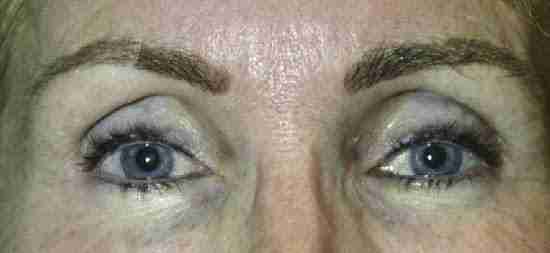
Hollow Upper Eyelid
Overview:
A hollow upper eyelid refers to the sunken or concave appearance of the upper eyelid, typically caused by a loss of volume in the area. As we age, the fat pads that provide support and volume to the eyelids can diminish, resulting in a hollowed-out or fatigued look. This can make the eyes appear tired or older, especially as the skin thins and becomes more translucent. Contributing factors include genetics, sun exposure, smoking, and poor nutrition. Hollow upper eyelids can be particularly noticeable when there is a visible crease or when the skin is thinner, revealing underlying structures.
Are you a candidate?
You may be a candidate for treatment if you have hollow or sunken upper eyelids due to age, genetics, or lifestyle factors. Ideal candidates are generally healthy individuals who wish to restore volume to the upper eyelids for a more refreshed, youthful look. Non-surgical options like dermal fillers are usually suitable for mild to moderate cases, while more severe cases may benefit from surgical intervention, such as blepharoplasty or fat transfer.
Options: Surgical vs Non-Surgical
Non-Surgical Treatments:
-
- Dermal Fillers (e.g., Restylane, Juvederm): Injectable hyaluronic acid-based fillers can restore volume in the upper eyelids, smoothing out the hollowed areas and providing immediate results. The effects last around 6 to 12 months.
- Fat Transfer (Fat Grafting): This involves harvesting fat from another part of the body (such as the abdomen or thighs) and injecting it into the hollow upper eyelids. Fat transfer provides long-lasting, natural results and may be preferred for those seeking a more permanent solution.
Surgical Treatment:
-
- Blepharoplasty (Upper Eyelid Surgery): This procedure may be recommended for severe cases of hollowing. It involves removing excess skin and repositioning or redistributing fat pads to create a smoother, youthful contour. Results are typically long-lasting.
Exceptions for Treatment:
- Non-surgical treatments may not be suitable for individuals with severe hollowing or excess skin, where surgery is a better option.
- People with certain medical conditions, such as skin infections, autoimmune disorders, or allergies to hyaluronic acid, may not be candidates for dermal fillers.
- Pregnant or breastfeeding women are generally advised to avoid certain treatments, such as dermal fillers, due to safety concerns.
- Individuals with significant skin laxity or extensive aging changes may require a more invasive surgical solution like blepharoplasty or fat transfer.
Expected Downtime:
Non-Surgical:
-
- Dermal Fillers: Minimal downtime, with possible swelling or bruising lasting a few days to a week.
- Fat Transfer: Swelling and bruising can occur at both the donor and treatment sites, with recovery taking around 1 to 2 weeks.
Surgical:
-
- Blepharoplasty +/- ptosis repair: Expected downtime is around 1 to 2 weeks, with swelling and bruising subsiding over the first few days. Full recovery may take several weeks.
Risks:
Non-Surgical:
-
- Dermal Fillers: Possible risks include swelling, bruising, allergic reactions, or uneven results. Though uncommon, there is a small risk of vascular occlusion (blockage of blood vessels).
- Fat Transfer: Risks include infection, fat absorption, and possible asymmetry if the fat doesn’t integrate well.
Surgical:
-
- Blepharoplasty: Risks include scarring, infection, dry eyes, and dissatisfaction with results. There is also the possibility of asymmetry or complications from anesthesia.
Financial Cost:
Non-Surgical:
-
- Dermal Fillers: Typically cost between $500 and $2,000 per session, depending on the filler used and the provider’s location.
- Fat Transfer: Generally ranges from $2,500 to $6,000, depending on the amount of fat required and the extent of the procedure.
Surgical:
-
- Blepharoplasty: Can cost between $2,000 and $6,000, depending on the complexity of the surgery, the surgeon’s expertise, and the geographic location.
Next Steps:
- Schedule a consultation with a skilled provider to assess the degree of hollowing in your upper eyelids and discuss treatment options.
- During the consultation, discuss your aesthetic goals, medical history, and lifestyle factors that may affect your treatment plan.
- Your provider will recommend the most appropriate treatment (non-surgical or surgical) based on the severity of your condition and your personal preferences.
- After selecting your treatment, follow pre-treatment instructions to prepare for the procedure.
- After treatment, adhere to post-care guidelines for optimal results and recovery.