
- Home
- About Us
- Connect
- Patient Resources
- Anesthesia / Sedation / Pain
- Patient Instructions/After Care
- Patient Intake Forms
- Patient Consent Forms
- Office Policies
- Insurance Plans
- Financial Policies
- Privacy Policy
- Online Privacy Policy
- Mobile Message Terms
- Statement of Nondiscrimination
- Open Payments Database Notice
- Accessibility Statement
- Pet/Service Animal Policy
- Health Advisory
- Medical Dermatology
- Mohs/Reconstructive Surgery
- Facial Aesthetics
- Facial Aging 101
- Concerns
- Non Surgical
- Surgical
- Hair Loss
- Cosmetic Mole Removal
- Body Aesthetics
- Varicose Veins
- Scars
- Skin Care
- Wound Care

Lower Eyelid Dark Circles Hollows
Overview:
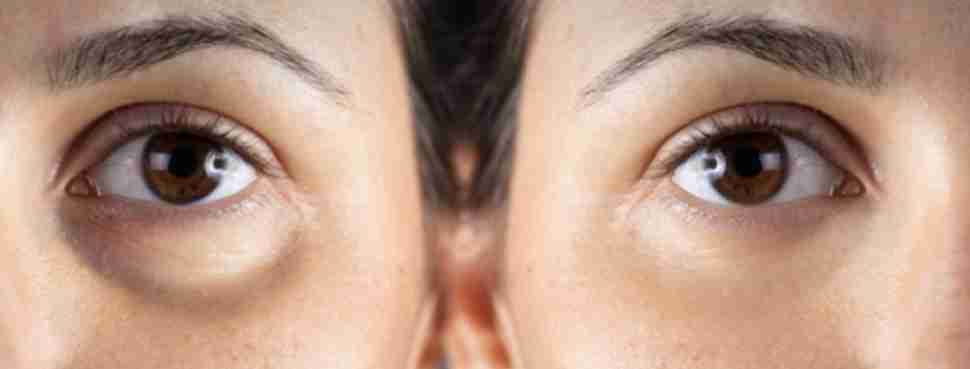
Lower eyelid dark circles and hollows are common cosmetic concerns that affect many individuals. Dark circles are typically caused by factors such as genetics, aging, and lifestyle habits (e.g., lack of sleep, dehydration), which cause the skin under the eyes to thin and make blood vessels more visible. Hollows or tear troughs develop due to volume loss in the under-eye area, creating a sunken or tired appearance. Treatments range from non-invasive options like dermal fillers to more advanced solutions like surgery.
Overview:Are You a Candidate?
Candidates for treatment are individuals with visible dark circles or under-eye hollows that make them appear tired or aged. If you’re dealing with mild to moderate volume loss or pigmentation issues, non-surgical options like dermal fillers, PRP therapy, or laser treatments may be appropriate. Candidates should generally be in good health and have realistic expectations regarding the results.
Options: Surgical vs Non-Surgical
Non-Surgical:
-
- Dermal Fillers: Hyaluronic acid-based fillers restore volume and smooth the skin in the tear trough area, providing immediate, temporary results.
- PRP/PRF Therapy: Uses your own blood to stimulate collagen production and improve skin texture.
- Laser Treatments (e.g., CO2, IPL): Targets pigmentation and stimulates collagen for smoother, tighter skin.
- Microneedling: Encourages collagen production to thicken and rejuvenate the under-eye skin.
- Topical Treatments: Prescription-strength creams for pigmentation and skin texture improvement.
- Fat Grafting or Fat Transfer: Provides a more permanent solution by transferring fat to the under-eye area.
Surgical:
-
- Blepharoplasty: Surgical removal of excess skin and fat from the lower eyelids, including fat repositioning to restore volume. This procedure is invasive but offers long-lasting results.
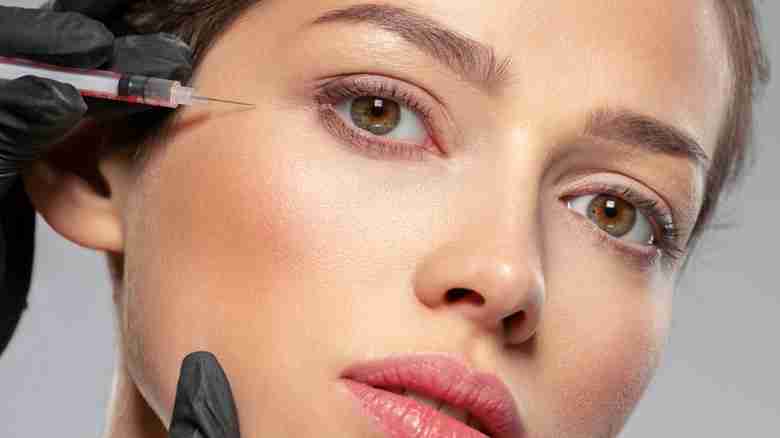
Injectables (i.e.- Filler, Fat grafting, Platelet-based regenerative growth factors) may be used to improve volume and texture for under-eye dark circles[/caption]
Exceptions for Treatment:
Individuals with active eye infections, certain medical conditions (such as bleeding disorders or severe allergies), or who are pregnant or breastfeeding may not be suitable candidates for certain treatments, especially those involving injectables or lasers. A thorough consultation with a specialist is necessary to assess suitability.
Expected Downtime:
- Dermal Fillers: Minimal downtime, with potential swelling or bruising for a few days.
- PRP Therapy: Minimal downtime, with possible redness and mild swelling for a day or two.
- Laser Treatments: Minimal downtime, with redness and swelling that typically resolves within a few hours to a day.
- Microneedling: Some redness and swelling for a few days.
- Fat Grafting or Fat Transfer: Mild swelling and bruising, with a recovery period of about 1-2 weeks.
- Blepharoplasty: Significant downtime, with swelling and bruising for up to 2 weeks. Full recovery can take several weeks.
Risks:
Non-surgical treatments generally have few risks, but possible side effects include bruising, swelling, or allergic reactions to injectables. More invasive procedures like blepharoplasty carry the risk of infection, scarring, and anesthesia complications. It’s essential to discuss these risks with your provider to ensure the best approach for your needs.
Financial Cost:
- Dermal Fillers: $600 to $2,000, depending on the amount of filler used.
- PRP Therapy: $500 to $2,000 per session.
- Laser Treatments: $300 to $2,500 per session, depending on the type of laser and treatment area.
- Microneedling: $250 to $750 per session.
- Fat Grafting or Fat Transfer: $2,500 to $6,000, depending on the amount of fat transferred.
- Blepharoplasty: $3,000 to $8,000, depending on the extent of the surgery and geographic location.
Next Steps:
To begin, schedule a consultation with a qualified provider who specializes in under-eye treatments. During this consultation, the provider will assess the severity of your dark circles or hollows, discuss your medical history, and recommend the most effective treatment options based on your specific concerns and goals.