- Home
- About Us
- Connect
- Patient Resources
- Anesthesia / Sedation / Pain
- Patient Instructions/After Care
- Patient Intake Forms
- Patient Consent Forms
- Office Policies
- Insurance Plans
- Financial Policies
- Privacy Policy
- Online Privacy Policy
- Mobile Message Terms
- Statement of Nondiscrimination
- Open Payments Database Notice
- Accessibility Statement
- Pet/Service Animal Policy
- Health Advisory
- Medical Dermatology
- Mohs/Reconstructive Surgery
- Facial Aesthetics
- Facial Aging 101
- Concerns
- Non Surgical
- Surgical
- Hair Loss
- Cosmetic Mole Removal
- Body Aesthetics
- Varicose Veins
- Scars
- Skin Care
- Wound Care
Liposuction
What is liposuction?
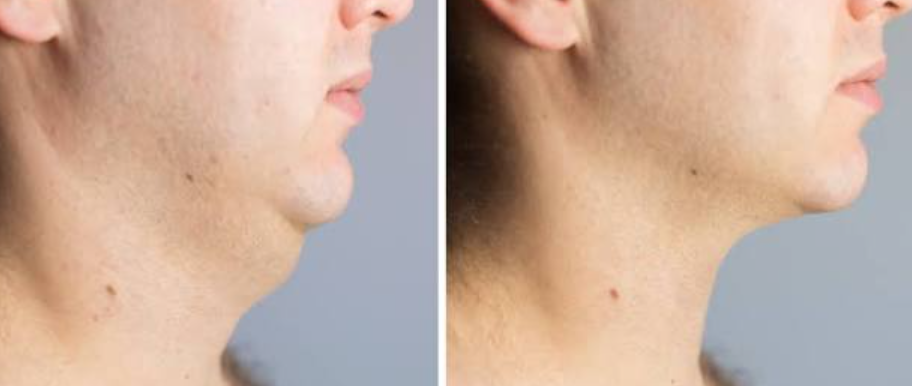
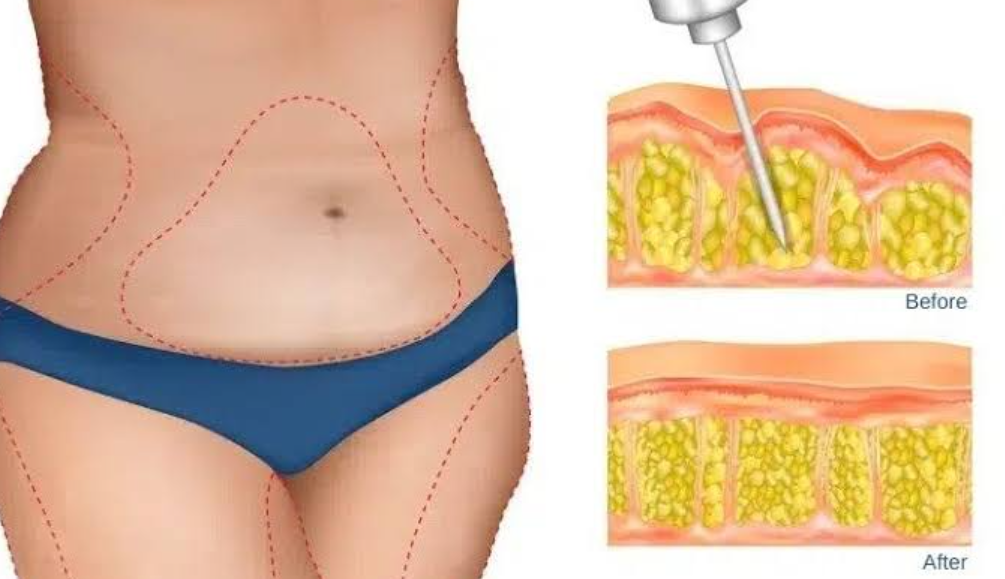
Liposuction, also known as lipoplasty, is a surgical procedure that involves the removal of excess fat from specific areas of the body. The procedure is typically used to contour the abdomen, hips, thighs, buttocks and other areas where diet and exercise alone have not been successful. Liposuction is a popular cosmetic surgery procedure that can help people achieve a slimmer and more proportional body shape.

What liposuction can treat
- Abdomen and waist
- Back
- Calves and ankles
- Chest area
- Face, cheeks, chin and neck
- Hips and buttocks
- Inner knee
- Thighs
- Upper arms
What liposuction cannot do:
- Liposuction is not a treatment for obesity or a substitute for proper diet and exercise. Liposuction works for people of normal weight who have some extra fat.
- If you have firm, elastic skin, you will have better results.
- Skin that is soft and thin from stretch marks, weight loss or natural aging will not reshape as well.
- You may need more surgeries to remove and tighten extra skin
- Lipoosuction is also not an effective treatment for cellulite.
Fat Grafting
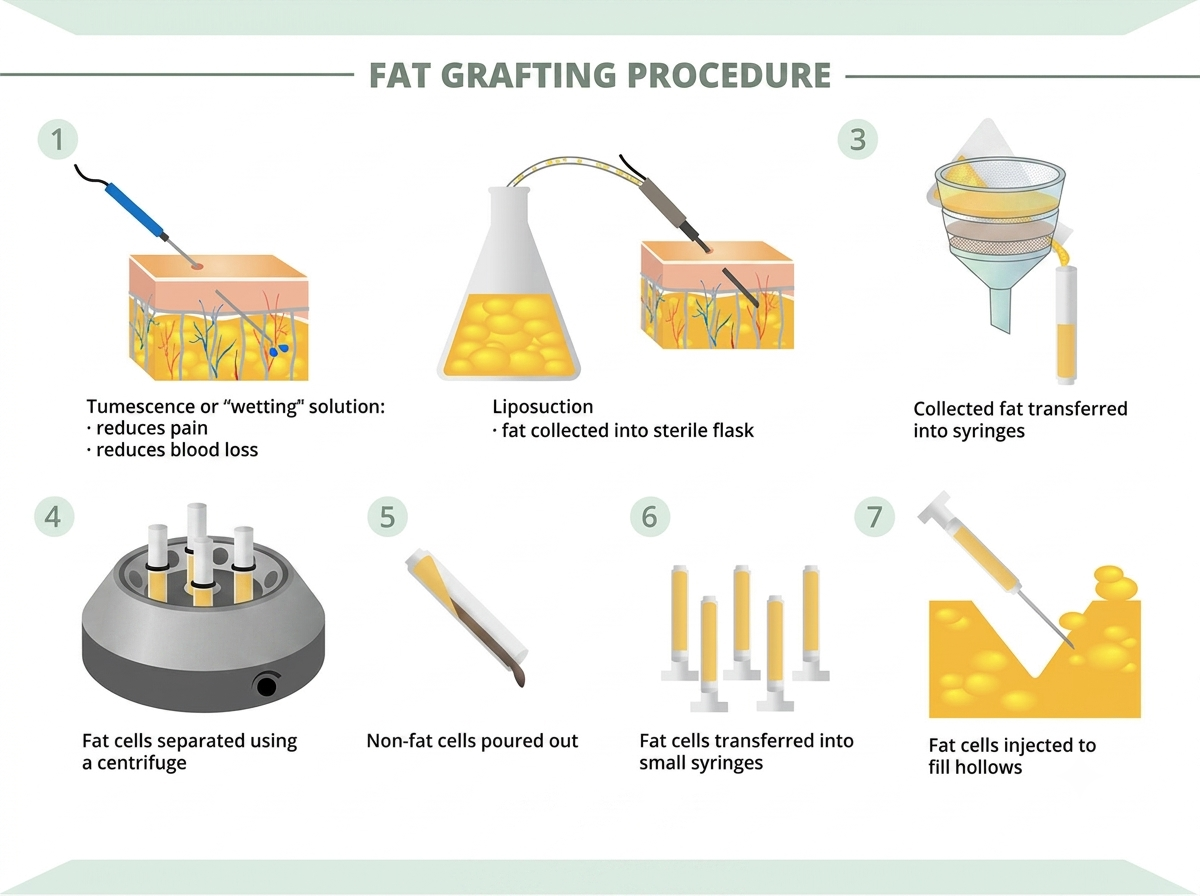
Fat grafting, also known as fat transfer, is a three-step procedure that consists of using liposuction to remove unwanted fat (also called adipose tissue), processing the fat and then redistributing it into low volume areas. The most common areas for fat grafting include the hip dips, butt (Brazilian butt lift), breast, face, and hands.
Step 1: Liposuction
Liposuction can be performed anywhere there is excess fat, but most commonly, patients choose the abdomen, flanks and back.
Step 2: Filtering, cleaning and purification
Because the body is roughly 60% fluid, we need to isolate the harvested fat cells from the fluid to ensure the best results possible. We do this by sending the fat through a processing stage that includes filtering, cleaning and purification. Without purification, the resorption rate for the fat transfer goes up, which means more of the transferred fat will be absorbed by the body and diminish the result
Step 3: Injection
In the final stage of a fat transfer procedure, the purified fat is injected into the area needing improvement. This is done with the utmost attention to aesthetics and patient safety. When the fat is correctly purified and injected, it develops a new blood supply. This allows the cells to grow and thrive in their new home indefinitely as living tissue. Some fat cells are absorbed by the body (anywhere from 10-50%) no matter what, which is why we take precautions by transferring more fat than is needed to the area. This helps patients achieve the results they are looking for.