- Home
- About Us
- Connect
- Patient Resources
- Anesthesia / Sedation / Pain
- Patient Instructions/After Care
- Patient Intake Forms
- Patient Consent Forms
- Office Policies
- Insurance Plans
- Financial Policies
- Privacy Policy
- Online Privacy Policy
- Mobile Message Terms
- Statement of Nondiscrimination
- Open Payments Database Notice
- Accessibility Statement
- Pet/Service Animal Policy
- Health Advisory
- Medical Dermatology
- Mohs/Reconstructive Surgery
- Facial Aesthetics
- Facial Aging 101
- Concerns
- Non Surgical
- Surgical
- Hair Loss
- Cosmetic Mole Removal
- Body Aesthetics
- Varicose Veins
- Scars
- Skin Care
- Wound Care
Red spots (broken capillaries/angiomas)
Overview
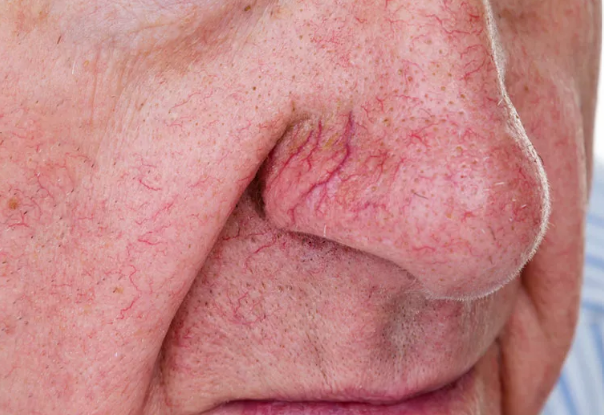
Common vascular (red) spots of the face include: Angiomas – benign skin growths composed of small blood vessels. These growths usually appear as red or pink spots and are often found on the torso, arms, and other parts of the body. While angiomas are typically harmless and don’t require medical treatment, they may become a cosmetic concern, particularly if they are large, numerous, or in visible areas. Telangiectasia (broken capillaries) – Various treatment options are available for removing angiomas and telangiectasias to restore a smooth, clear appearance to the skin.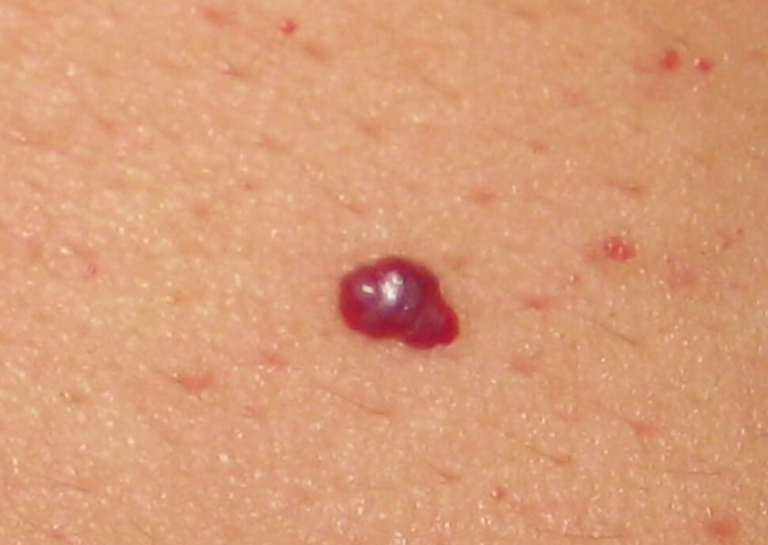
Are You a Candidate?
You may be a candidate for angioma removal if you have one or more red spots that are bothering you due to their appearance or location. Ideal candidates for this treatment typically:
- Have benign angiomas (no signs of skin cancer).
- Experience cosmetic concerns due to the size or number of angiomas.
- Are in overall good health and do not have contraindications for minor dermatological procedures.
- Have angiomas that have become irritated, especially if they are frequently scratched or rubbed.
During a consultation, a dermatologist will assess your condition to determine if angioma removal is appropriate, considering factors such as your health history, the size and number of angiomas, and your aesthetic goals.
Options: Surgical vs Non-Surgical
Surgical Options
-
Surgical Excision
Surgical excision is a more invasive method for removing larger or deeper angiomas. It involves using a scalpel to remove the angioma through a small incision, ensuring complete removal of the growth. This method is typically used for larger angiomas that may not respond well to non-invasive treatments. -
Shave Biopsy
A shave biopsy involves using a surgical blade to shave off the angioma at or just below the surface of the skin. This method is ideal for superficial angiomas and results in minimal scarring, with little downtime.
Non-Surgical Options
-
Laser Therapy
Laser therapy is a non-invasive method that uses focused light to target the blood vessels that form the angioma, causing them to collapse and fade. Common wavelengths used include 532nm (KTP), 595nm (Pulsed Dye Laser), and 1064nm (ND-YAG). This is ideal for small to medium-sized angiomas and requires no incisions, minimizing the risk of scarring. -
Electrosurgery (Electrocautery)
Electrosurgery uses an electric current to burn and cauterize the angioma. This is a quick and effective method for superficial angiomas, with minimal discomfort and a fast recovery time. -
Intense Pulsed Light (IPL) Therapy
IPL therapy utilizes broad-spectrum light to break down the blood vessels in the angioma. This treatment is ideal for treating multiple angiomas at once and is non-invasive, requiring no cutting or freezing of the skin.
Exceptions for Treatment
While angioma removal is generally safe, there are certain exceptions or conditions under which it may not be appropriate:
- Suspicious Moles or Growths: If an angioma appears atypical or has characteristics of a more serious condition, such as melanoma, further investigation and a biopsy may be needed before removal.
- Active Skin Infections: If the skin in the area surrounding the angioma is infected or inflamed, removal may be delayed until the infection is resolved.
- Pregnancy: While angioma removal is usually safe, it’s advisable to avoid certain treatments, such as laser therapy or electrosurgery, during pregnancy unless medically necessary.
- Certain Health Conditions: Individuals with conditions that impair healing, such as uncontrolled diabetes or autoimmune disorders, may need to be evaluated more closely before undergoing removal.
Expected Downtime
The expected downtime for angioma removal varies depending on the treatment method:
- Laser Therapy: Recovery time is minimal. Most patients experience only minor redness or swelling at the treatment site, which typically resolves within a few days.
- Electrosurgery: Electrosurgery also has a relatively short recovery time. Some swelling and redness may occur, but most patients can return to their regular activities within a few days.
- Surgical Excision: If surgical excision is performed, downtime may be slightly longer due to the need for healing from an incision. Patients may experience some swelling and discomfort, with full recovery typically taking about 1-2 weeks.
- Shave Biopsy: This method also has minimal downtime. A small scab may form, which usually heals within 7-10 days.
- IPL Therapy: IPL therapy requires no downtime, and most individuals can return to normal activities immediately after treatment.
Risks
Although angioma removal is generally safe, there are some risks to be aware of, including:
- Scarring: Depending on the size of the angioma and the method used, there may be a risk of scarring. However, non-invasive treatments like laser therapy or IPL are less likely to result in visible scarring.
- Infection: As with any procedure that involves breaking the skin, there is a risk of infection. Proper aftercare and hygiene are essential to minimize this risk.
- Pigmentation Changes: Some patients may experience changes in skin pigmentation, such as darker or lighter areas around the treatment site. This is typically temporary but can sometimes persist.
- Incomplete Removal: In rare cases, the angioma may not be fully removed, and a second treatment may be needed.
To minimize these risks, it’s crucial to choose a skilled dermatologist or specialist and follow all aftercare instructions carefully.
Financial Cost
The cost of angioma removal varies based on factors like the treatment method, the size and number of angiomas, and the location of the treatment facility. Here’s a general price range:
- Laser Therapy: Typically ranges from $200 to $600 per session, depending on the size and number of angiomas treated.
- Electrosurgery: This method may cost $150 to $400 per treatment, depending on the complexity of the procedure.
- Surgical Excision: Costs can range from $500 to $1,000 for excising larger angiomas or those that require more detailed procedures.
- Shave Biopsy: A shave biopsy may cost between $150 to $500, depending on the number of angiomas and treatment area.
- IPL Therapy: The cost of IPL therapy can range from $300 to $700 per session, depending on the number of angiomas and the size of the treatment area.
Please note that some treatments may not be covered by insurance, as angioma removal is typically considered a cosmetic procedure.
Next Steps
If you’re interested in removing red spots or angiomas, the next steps are as follows:
- Schedule a Consultation: Contact a dermatology specialist to schedule a consultation. During this visit, the doctor will evaluate your skin and the angiomas you wish to have removed.
- Choose a Treatment Option: Based on the evaluation, your doctor will recommend the best treatment option for you, whether it’s laser therapy, electrosurgery, or another method.
- Undergo Treatment: Once you’ve decided on a treatment plan, you’ll schedule your procedure. The treatment itself is usually quick and minimally invasive.
- Follow Aftercare Instructions: After your treatment, you’ll receive detailed aftercare instructions to ensure proper healing and to minimize the risk of complications.