
- Home
- About Us
- Connect
- Patient Resources
- Anesthesia / Sedation / Pain
- Patient Instructions/After Care
- Patient Intake Forms
- Patient Consent Forms
- Office Policies
- Insurance Plans
- Financial Policies
- Privacy Policy
- Online Privacy Policy
- Mobile Message Terms
- Statement of Nondiscrimination
- Open Payments Database Notice
- Accessibility Statement
- Pet/Service Animal Policy
- Health Advisory
- Medical Dermatology
- Mohs/Reconstructive Surgery
- Facial Aesthetics
- Facial Aging 101
- Concerns
- Non Surgical
- Surgical
- Hair Loss
- Cosmetic Mole Removal
- Body Aesthetics
- Varicose Veins
- Scars
- Skin Care
- Wound Care
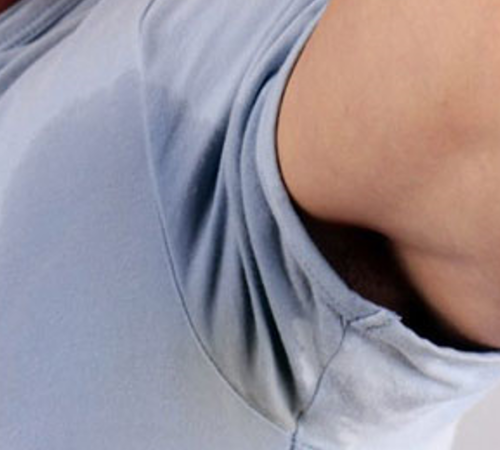
Hyperhidrosis
Hyperhidrosis is a medical condition characterized by excessive sweating beyond what is necessary to regulate body temperature. It can occur in specific areas of the body, such as the hands, feet, underarms, or face, or it can affect the entire body. This condition is typically classified into two types: primary hyperhidrosis, which is not caused by any underlying medical condition and often has no clear trigger, and secondary hyperhidrosis, which is caused by other factors such as medications, hormonal changes, or underlying health conditions like diabetes or thyroid disorders. Hyperhidrosis can significantly impact a person’s daily life, causing discomfort, embarrassment, and social anxiety.
Hyperhidrosis Treatments
1 – Oral Medications
Oral medications, such as anticholinergic drugs (e.g., glycopyrrolate or oxybutynin), can be prescribed to reduce sweating by blocking the chemical signals that trigger sweat glands. These medications work systemically, helping to decrease excessive sweating in various parts of the body. However, they may have side effects like dry mouth, blurred vision, or constipation.
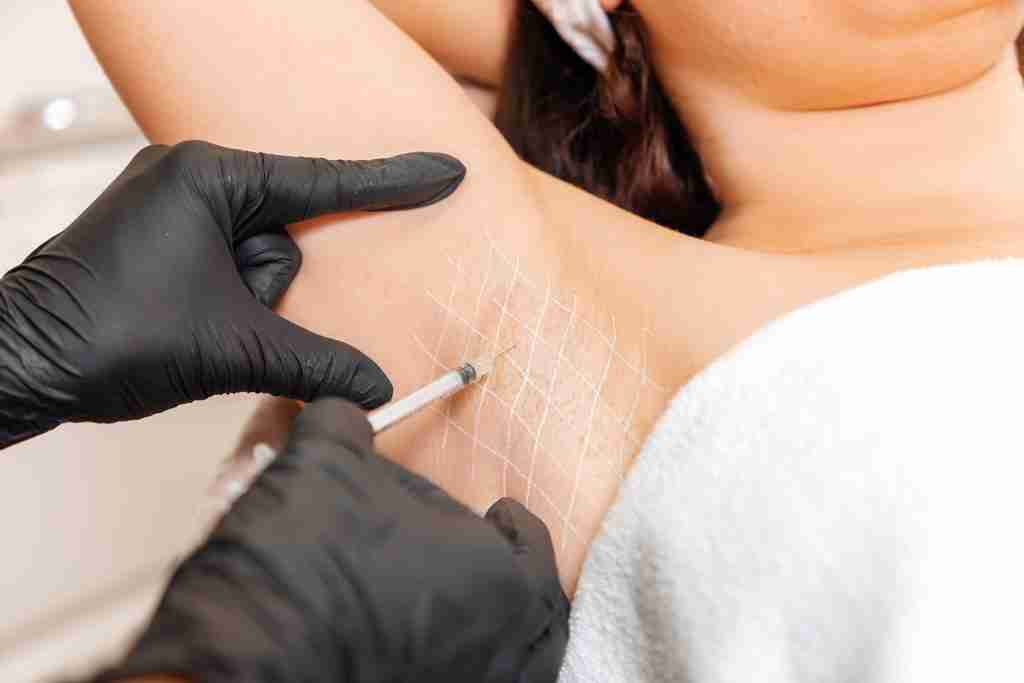
2 – Botox Injections
Botulinum toxin (Botox) injections are another effective treatment for hyperhidrosis. Botox temporarily blocks the nerves that stimulate sweat glands, reducing sweating in areas like the underarms, hands, and feet. The effects typically last for several months, and patients may require repeat injections to maintain results. Botox is considered a safe and effective option for localized hyperhidrosis.
3 – Iontophoresis
Iontophoresis is a treatment that uses a low electrical current to temporarily block sweat glands. During the procedure, affected areas, such as the hands or feet, are placed in water while a mild electrical current is passed through. This treatment is often recommended for people with focal hyperhidrosis and is typically performed several times a week for the best results.
4 – Microwave Therapy (MiraDry)
MiraDry is a non-invasive treatment that uses microwave energy to target and eliminate sweat glands in the underarms. The procedure involves a handheld device that delivers controlled heat to the area, destroying the sweat glands while leaving the surrounding tissue unaffected. MiraDry provides long-lasting results and can significantly reduce underarm sweating after a few treatments.
5 – Sympathectomy
For severe cases of hyperhidrosis that do not respond to other treatments, sympathectomy may be considered. This surgical procedure involves cutting or clamping the sympathetic nerves responsible for triggering excessive sweating. While it can provide a permanent solution, sympathectomy is typically reserved for cases where other treatments have been ineffective or inappropriate due to potential risks and side effects.
6 – Sweat Gland Removal
In extreme cases of hyperhidrosis, particularly in the underarms, sweat gland removal (also known as axillary sweat gland excision) may be performed. This surgical procedure involves the removal of sweat glands from the affected area, providing a long-term solution for severe sweating. However, it carries risks, including scarring and potential changes in skin texture.
Botox for Hyperhidrosis