
Cosmetic Mole Removal
Overview:
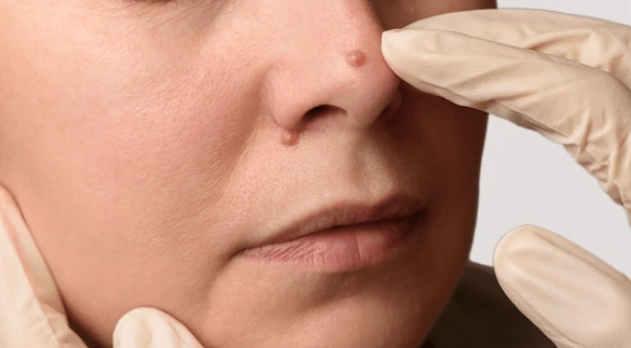
Cosmetic mole removal is a procedure designed to remove unwanted moles from the skin for aesthetic or medical reasons. Moles, or nevi, are common skin growths that can appear anywhere on the body. While most moles are harmless, some can cause cosmetic concerns or indicate underlying health issues. Mole removal methods, such as shave removal or laser removal, are designed to eliminate these growths safely and with minimal downtime. Cosmetic mole removal can help enhance the skin’s appearance, restore self-confidence, and reduce the risk of potential health complications if the mole shows signs of abnormal growth or changes in appearance.
Are You a Candidate?
You may be a good candidate for cosmetic mole removal if you have moles that you find aesthetically unappealing or if your moles have changed in size, color, or shape, potentially indicating a health concern. Ideal candidates for the procedure are individuals who:
- Have non-cancerous moles they wish to remove for cosmetic purposes.
- Have moles that have become bothersome, irritated, or difficult to conceal.
- Have moles that have changed in appearance, raising concerns about skin cancer (though a biopsy may be required to rule out malignancy).
- Are in overall good health and do not have contraindications for minor skin surgery.
During a consultation, our specialists will evaluate your moles and medical history to determine if mole removal is the right option for you.
Options: Surgical vs Non-Surgical
There are two primary options for mole removal: surgical and non-surgical.
Surgical Removal
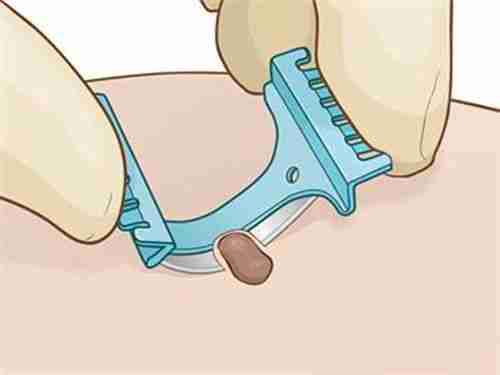
Excision: This method involves cutting out the mole and stitching the wound closed. Generally, excision is used for larger moles or those with suspicious characteristics.

Non-Surgical Removal

Laser Removal: Laser technology can be used to break down the pigment in the mole, which causes it to fade over time. Laser mole removal is an excellent option for small, non-cancerous moles.
Electrocautery: Electrocautery uses an electrical current to burn off the mole. It is suitable for small, non-cancerous moles.
The choice of method depends on the mole’s characteristics and the doctor’s recommendations. They will consider the potential for scarring, recovery time, and other factors to determine the most appropriate approach.
Exceptions for Treatment
While mole removal is safe for most individuals, certain exceptions exist. Moles that appear suspicious or are showing signs of melanoma may require a more thorough examination or biopsy before removal. In these cases, mole removal should not be done purely for cosmetic reasons without medical evaluation. Other exceptions for treatment may include:
- Pregnancy: It is generally advisable to postpone mole removal during pregnancy unless it is medically necessary.
- Pre-existing skin conditions: Individuals with certain skin conditions, such as active eczema or infection in the area where the mole is located, may need to wait until the condition is resolved.
- Medications: If you are on blood thinners or other medications that affect healing, mole removal may not be appropriate until your medication regimen is adjusted.
Expected Downtime
The downtime after mole removal depends on the method used. For shave removal, most patients experience minimal downtime, with some redness, swelling, or scabbing around the treated area for a few days. The skin typically heals within 1-2 weeks, though it’s important to follow aftercare instructions to avoid complications.
For laser removal, recovery time is often quicker. Most patients can return to their regular activities almost immediately, with only minor redness or swelling in the treated area that typically resolves within a few days. Multiple sessions may be required for full results, depending on the mole’s size and depth.
In both cases, it’s important to avoid excessive sun exposure and follow post-treatment care to ensure proper healing and reduce the risk of scarring.
Risks
As with any cosmetic procedure, mole removal carries some risks, although serious complications are rare. Possible risks include:
- Scarring: While techniques like laser removal minimize scarring, any mole removal procedure has the potential to leave a scar. The extent of scarring depends on the mole’s size and depth, as well as the removal method used.
- Infection: If the wound is not properly cared for, there is a risk of infection. Keeping the area clean and following post-treatment instructions is important.
- Pigmentation Changes: Some individuals may experience temporary or permanent pigmentation changes, such as lighter or darker skin around the treated area.
- Recurrence: In some cases, moles may reappear if the removal wasn’t fully effective, especially with surgical methods where the root of the mole was not entirely removed.
Financial Cost
The cost of mole removal can vary depending on several factors, including the method of removal, the size and number of moles being treated, and the location of the treatment facility. On average, shave removal may cost between $200 to $600 per mole, while laser removal could range from $300 to $800 per session, depending on the mole’s size and the number of treatments required.
While cosmetic mole removal is typically not covered by insurance, it may be covered if the mole is deemed medically necessary or if it’s associated with potential cancer risks. During your consultation, you will receive a detailed breakdown of costs and financing options.